By M. Stagers Realty Partners
We’re often asked, does a home’s age affect its value? It’s a fair question, especially when buyers are comparing historic properties to newer construction in established luxury neighborhoods. The truth is that age alone rarely tells the full story. What matters is how a home’s age aligns with condition, location, and buyer expectations in today’s market.
In this guide, we’ll break down how age truly factors into pricing and demand, and how we help our clients interpret value beyond the year a home was built.
Key Takeaways
- A home’s age influences value differently in luxury markets.
- Condition and updates often matter more than build year.
- Older and newer homes appeal to different buyer profiles.
- Location can outweigh age when determining market value.
Why Home Age Is Part of the Valuation Conversation
How Buyers Initially Interpret Home Age
- Perceived maintenance needs
- Architectural style and character
- Expected longevity of systems
- Fit within the surrounding neighborhood
When clients ask us, does a home’s age affect its value?, we explain that age shapes first impressions. In established neighborhoods with long-standing appeal, older homes are often associated with craftsmanship and permanence. In contrast, newer homes may signal efficiency and modern design.
In luxury markets, those perceptions are quickly refined by condition. A well-maintained older home on a desirable block can outperform newer properties if it aligns with buyer priorities and lifestyle expectations.
Older Homes and Their Market Appeal
Why Luxury Buyers Value Older Homes
- Distinct architectural details
- Larger lots or traditional layouts
- Established streets and surroundings
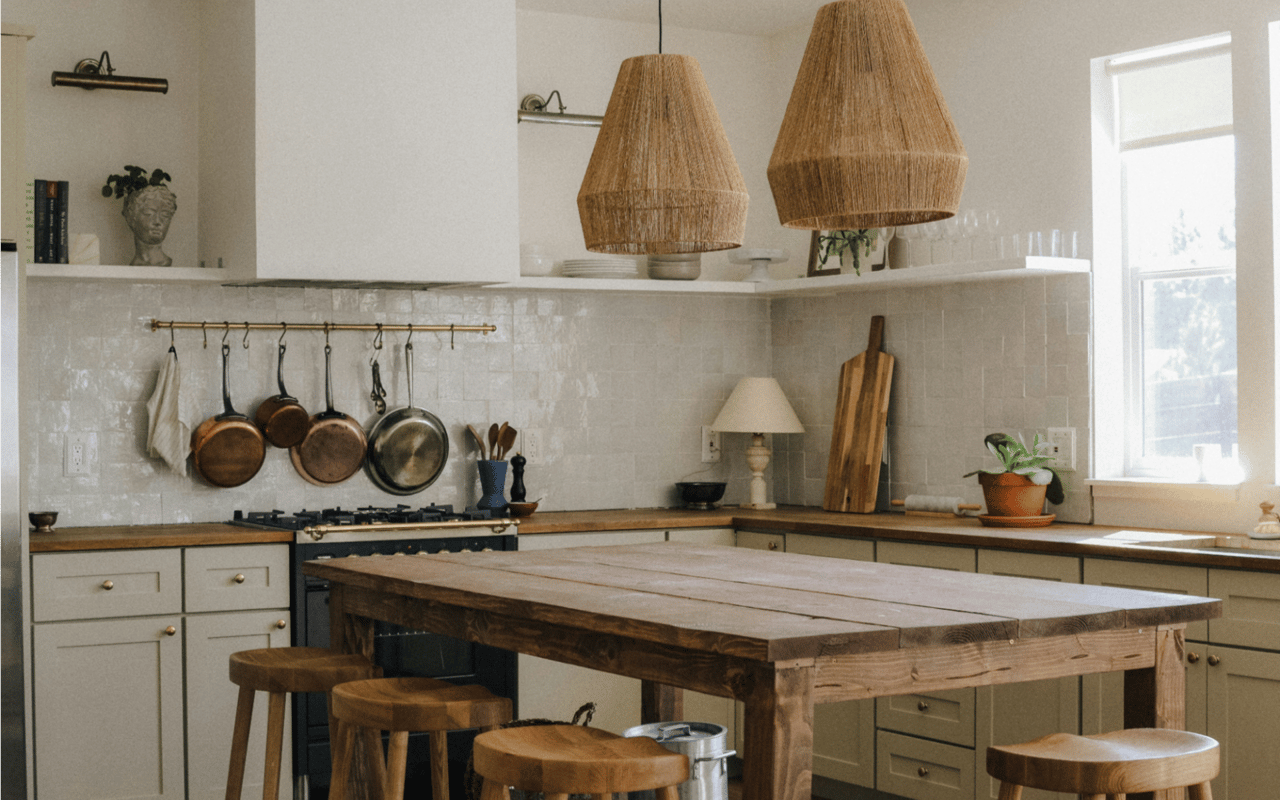
Older homes often stand out because they offer features that are difficult to replicate today. Original millwork, solid construction, and thoughtful proportions resonate strongly in mature neighborhoods. When buyers ask, does a home’s age affect its value?, the answer is often yes — but positively — when character and upkeep are present.
We regularly see buyers place a premium on older homes that feel timeless and well cared for, particularly when they’re located in areas known for long-term desirability.
Newer Homes and Modern Value Drivers
Features That Elevate Newer Homes
- Open layouts designed for today’s living
- Energy-efficient systems
- Lower short-term maintenance expectations
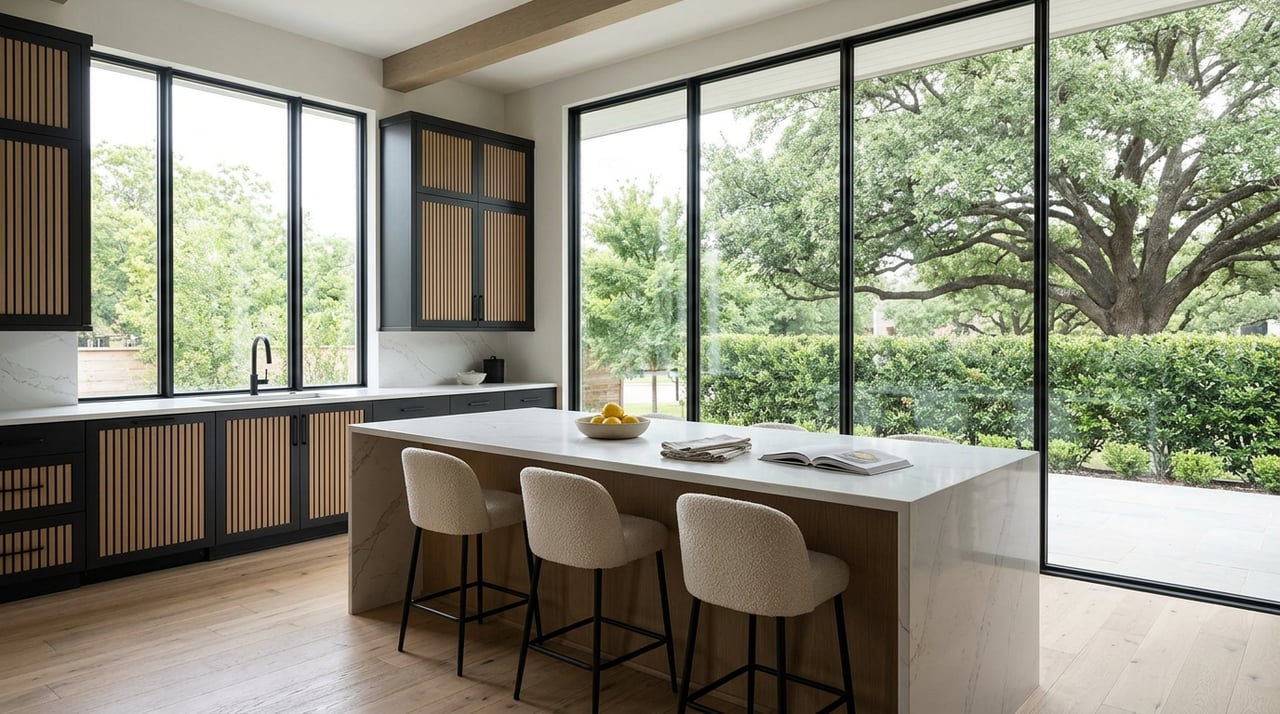
Newer homes appeal to buyers who prioritize convenience and predictability. In luxury developments or recently built enclaves, modern finishes and technology can significantly influence pricing. In these cases, does a home’s age affect its value? becomes a question of how well the home delivers a turnkey experience.
When design quality and location align, newer homes often command strong values despite lacking historical character.
The Impact of Renovations on Market Value
Updates That Change the Age Conversation
- System replacements and infrastructure upgrades
- Kitchen and bathroom renovations
- Structural and efficiency improvements
Renovations can dramatically reshape how age impacts value. A decades-old home with updated systems and refined finishes often competes directly with newer construction. This is where the question does a home’s age affect its value? shifts toward condition and usability.
We advise sellers to focus on improvements that buyers immediately recognize as value-driven, especially in luxury markets where expectations are high.
Location’s Role in Age-Related Value
Why Address Often Matters More Than Age
- Established luxury neighborhoods
- Proximity to lifestyle amenities
- Consistent buyer demand over time
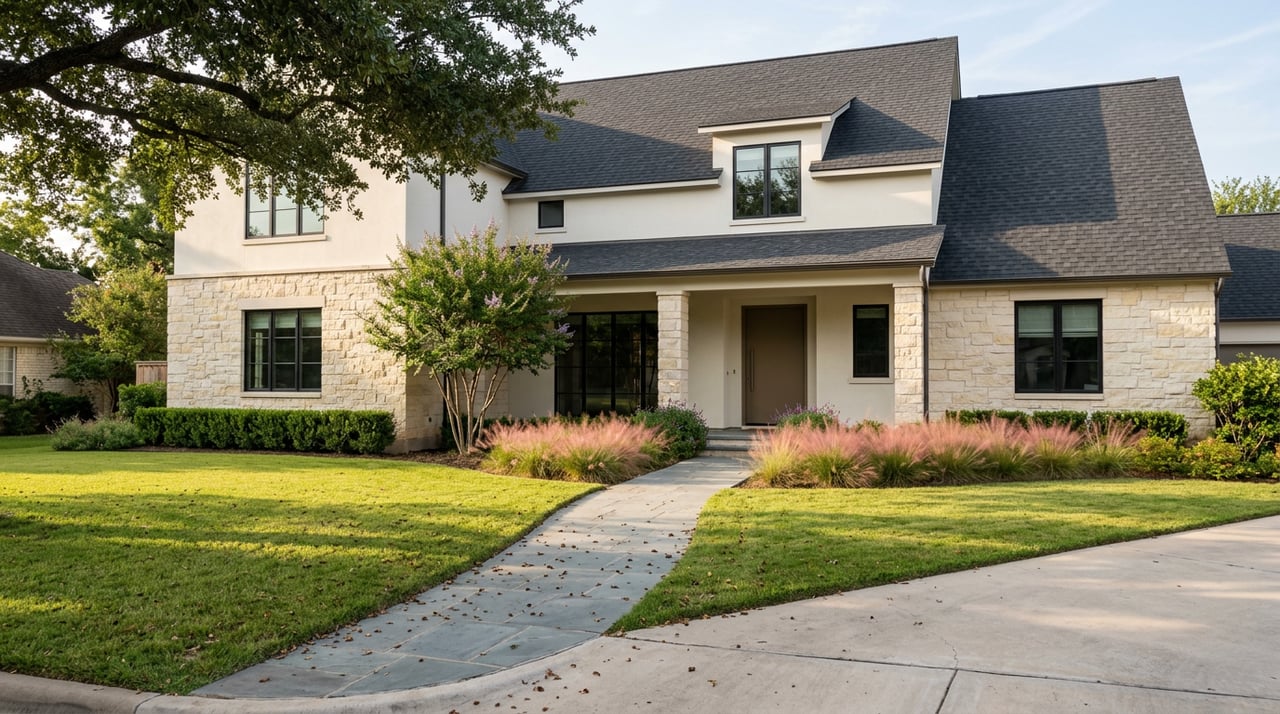
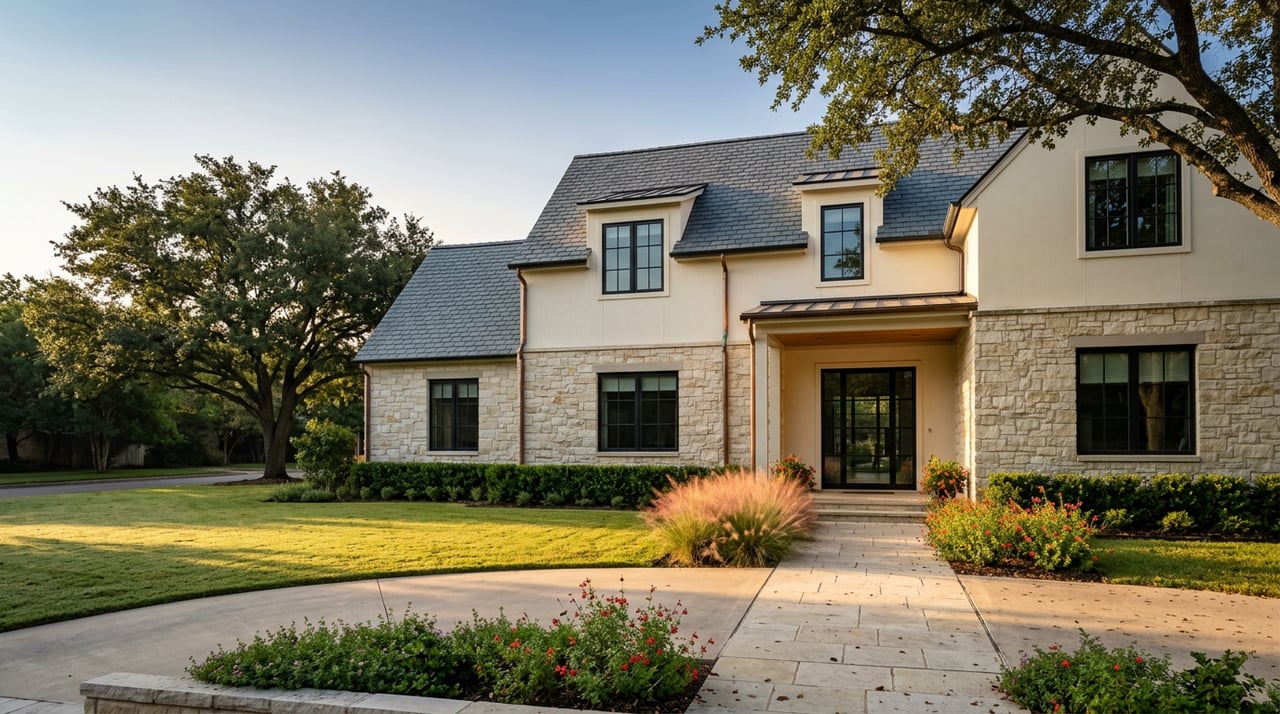
Location frequently outweighs age when determining market value. Homes in sought-after areas with a strong track record of demand tend to hold value regardless of when they were built. In these cases, does a home’s age affect its value? becomes secondary to where the home sits.
We help clients evaluate how neighborhood reputation and long-term appeal influence pricing more than construction date alone.
How We Help Clients Interpret Value
Our Approach to Home Age and Pricing
- Comparing homes by era and condition
- Reviewing maintenance and upgrade history
- Positioning properties based on strengths
We don’t treat age as a standalone metric. Instead, we guide buyers and sellers through how age, condition, and location intersect. When clients ask, does a home’s age affect its value?, we provide context that supports confident, informed decisions.
Whether you’re buying a historic property or selling a newer home, understanding this balance is key to navigating the luxury market effectively.
Frequently Asked Questions
Does an older home always sell for less?
No. In many luxury neighborhoods, older homes with character and updates can sell at a premium. Condition and location matter more than age alone.
Are newer homes a better investment?
Not always. Appreciation depends heavily on location, demand, and build quality, not just construction date.
Should we update an older home before selling?
Strategic updates can improve buyer perception and pricing. We help sellers determine which improvements make the most sense.
Contact M. Stagers Realty Partners Today
Reach Out to M. Stagers Realty Partners
If you’re asking yourself, does a home’s age affect its value?, we’re here to help you find the right answer for your situation. We work closely with clients in established and emerging luxury markets to clarify value and opportunity.
Connect with
M. Stagers Realty Partners to discuss your goals and get expert guidance tailored to your home, your neighborhood, and your long-term plans.