By M. Stagers Realty Partners | San Antonio Real Estate Experts
San Antonio is one of the most historically significant cities in the United States—and its past is still visible in everyday life. From centuries-old mission churches and historic plazas to cultural traditions that continue across generations, the city’s heritage isn’t tucked away in textbooks. It’s built into the landscape, the architecture, and the way communities gather.
This guide explores the major eras and influences that shaped San Antonio, highlights key historic sites, and explains why the city’s layered history still matters today—especially for residents deciding where to live, explore, and put down roots.
San Antonio’s Origins: A River Crossroads Before the City
Long before San Antonio was founded as a colonial settlement, the area around the San Antonio River supported Indigenous communities for thousands of years. The river and surrounding springs made the region an important place for seasonal living, travel, and trade.
While the details of tribal histories are often underrepresented in older narratives, Indigenous presence is foundational to the region’s story and remains an essential part of understanding San Antonio’s earliest roots.
Spanish Colonial Foundations: Missions, Plazas, and a New Settlement
San Antonio’s modern formation began in the early 1700s during Spanish colonial expansion. Spain established both religious missions and civil settlements here, leaving a lasting imprint on the city’s layout and identity.
The mission system and daily life
The Spanish missions were not only churches. They were community centers designed for worship, housing, agriculture, and skilled trades. The mission sites that remain today offer a rare physical connection to that era, with stonework and design features that have endured for centuries.
A city shaped by plazas
Spanish colonial planning emphasized central plazas as civic and commercial anchors. That planning legacy still influences downtown San Antonio, where historic public spaces continue to act as gathering points and cultural landmarks.
Mexican Influence and Cultural Continuity
After Mexico gained independence from Spain in 1821, San Antonio entered a new era shaped by changing governance and evolving regional identity. Throughout this period, Mexican culture and community life remained deeply rooted in the city, influencing language, foodways, faith traditions, music, and family-centered celebrations.
San Antonio’s identity today is inseparable from this continuity. The city’s culture is not simply “preserved”—it is actively lived, adapted, and passed forward by people who have long called the region home.
The Texas Revolution and the Alamo: A Defining Chapter
San Antonio became a central stage in the Texas Revolution, most famously through the 1836 events at the Alamo. The Alamo is one of the most recognized historic sites in the country, but it also represents a wider period of conflict and change that shaped the city’s political trajectory.
The way the Alamo story is remembered has evolved over time, and modern interpretations often seek to add context and complexity. What remains constant is the fact that this period marks a turning point in San Antonio’s history and helped define its place in the broader story of Texas.
Growth Through Immigration and Industry
As San Antonio expanded, it drew newcomers from across Texas, Mexico, and abroad. Immigrant communities contributed to commerce, architecture, craftsmanship, and neighborhood development, adding new layers to the city’s cultural landscape.
This blend of influences is part of what makes San Antonio feel distinct neighborhood to neighborhood. The city’s growth wasn’t built from a single tradition—it was shaped by many communities over time.
“Military City, USA”: A Modern Identity With Lasting Impact
San Antonio’s long relationship with the U.S. military is one of the strongest drivers of its modern identity. Military installations and related industries have shaped population patterns, employment, and local infrastructure for decades. The military presence also contributes to a steady flow of residents relocating into and out of the area, influencing housing demand in specific parts of the city and surrounding communities.
The River Walk: Reinventing the City’s Connection to the River
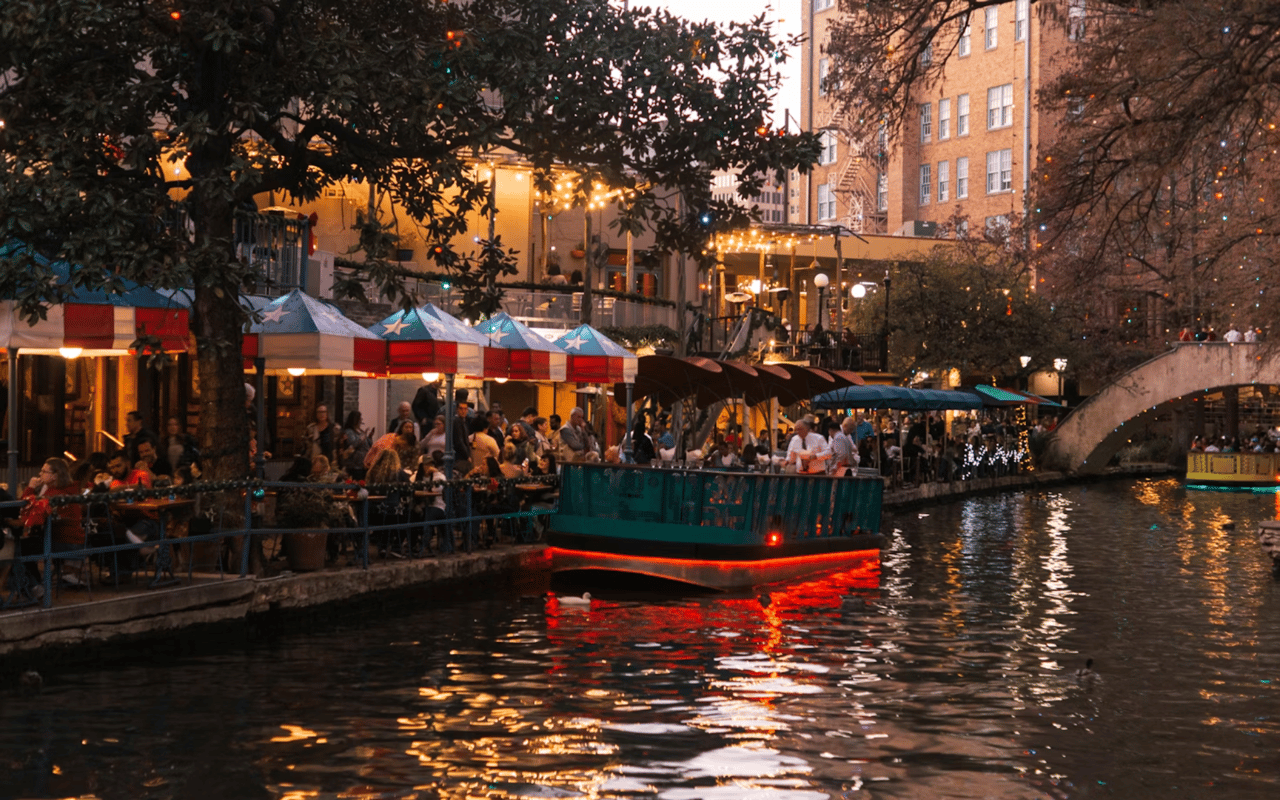
The San Antonio River has always been central to the city’s story, but the River Walk represents a modern reinvention of how the city lives with—and celebrates—its waterways. What began as river management and urban planning eventually became one of the most recognizable public spaces in Texas.
Today, the River Walk connects visitors and residents to downtown landmarks, local dining, public art, and historic corridors. It’s also a symbol of how San Antonio blends preservation with progress.
Historic Neighborhood Character: Where History Meets Home
San Antonio’s history is not limited to major landmarks. It’s also visible in historic neighborhoods where architecture, community institutions, and street patterns reflect different eras of development.
Many of the city’s established areas share qualities that appeal to residents who value a sense of place:
- Older homes with distinctive craftsmanship and layout
- Walkable blocks with long-standing local businesses
- Community identity built around schools, churches, parks, and gathering spaces
- A blend of preserved historic features and modern updates
For homebuyers, this history often translates into neighborhood personality—something you can feel as much as you can measure.
Why San Antonio’s Heritage Still Matters Today
San Antonio’s rich history influences how the city grows and how communities prioritize development.
Heritage can shape:
- Neighborhood identity and long-term desirability
- Preservation guidelines and redevelopment patterns
- Public investment in parks, corridors, and cultural districts
- The overall experience of living in different parts of the city
Understanding the “why” behind a neighborhood’s character can be just as helpful as understanding its home prices or commute times.
FAQ: Exploring San Antonio’s History
What are the most important historical sites in San Antonio?
San Antonio is best known for the Alamo and the Spanish colonial missions. The mission sites, historic plazas, and river-centered downtown corridors are among the most significant places to explore for a deeper understanding of the city’s past.
Why are the San Antonio missions such a big part of the city’s identity?
They represent the city’s early colonial foundations and remain some of the most intact examples of Spanish mission communities in the United States. They also show how religion, agriculture, craftsmanship, and settlement patterns shaped the region.
Is San Antonio’s history only about the Alamo?
No. The Alamo is one important chapter, but San Antonio’s heritage includes Indigenous history, Spanish settlement, Mexican cultural continuity, immigration, military influence, and modern urban development tied to the river and downtown revitalization.
How does San Antonio’s history influence neighborhoods today?
Many neighborhoods reflect the era in which they developed—through home architecture, street layouts, and community institutions. Historic character can also influence preservation priorities and long-term demand in certain areas.
What makes San Antonio culturally unique compared to other Texas cities?
San Antonio’s identity is especially shaped by a continuous blend of Indigenous roots, Spanish colonial history, and Mexican-American culture, along with long-standing traditions, festivals, and foodways that remain central to daily life.
How can I choose the right San Antonio neighborhood for my lifestyle?
Start with the feel you want—historic charm, urban walkability, family-focused communities, or access to major employment centers—then match that to factors like home styles, amenities, school preferences, and commute patterns.
Final Thoughts
San Antonio’s heritage is layered, living, and deeply tied to place. It’s visible in landmark sites like the missions and the Alamo, but it’s also present in neighborhood character, cultural traditions, and the way the city continues to evolve along the river.
If you’re considering moving to San Antonio—or relocating within the city—
M. Stagers Realty Partners can help you find a home and neighborhood that fits your goals while connecting you to what makes the Alamo City truly special.