Stone Oak Home Styles And What They Mean For Buyers
If you start looking at homes in Stone Oak and feel like the options are all over the map, you are not imagining it. One address might sit in an established resale pocket with mature landscaping, while another is in a guarded estate section or a lower-maintenance garden-home area. Understanding those differences can help you avoid wasted tours, budget more accurately, and focus on the kind of home that actually fits your goals. Let’s dive in.
Stone Oak is not just one neighborhood. It is a master-planned community in north-central San Antonio that began on former ranchland, with the first master plan filed in Bexar County in 1985.
Today, the area includes 35 subdivisions. That matters because when you say you want to buy in Stone Oak, you are really choosing among many sub-communities with different home styles, lot sizes, HOA setups, and amenity packages.
For buyers, this means you need to look past the zip code or area name. Two homes with similar square footage can offer very different ownership experiences depending on the section, age, and neighborhood rules.
Many of Stone Oak’s older phases were developed in the late 1990s and early 2000s. Examples in the area include neighborhoods like The Bluffs at Stone Oak, with records dating to 1997, and The Springs at Stone Oak, where model homes opened in 1998 and the neighborhood was built out by 2002.
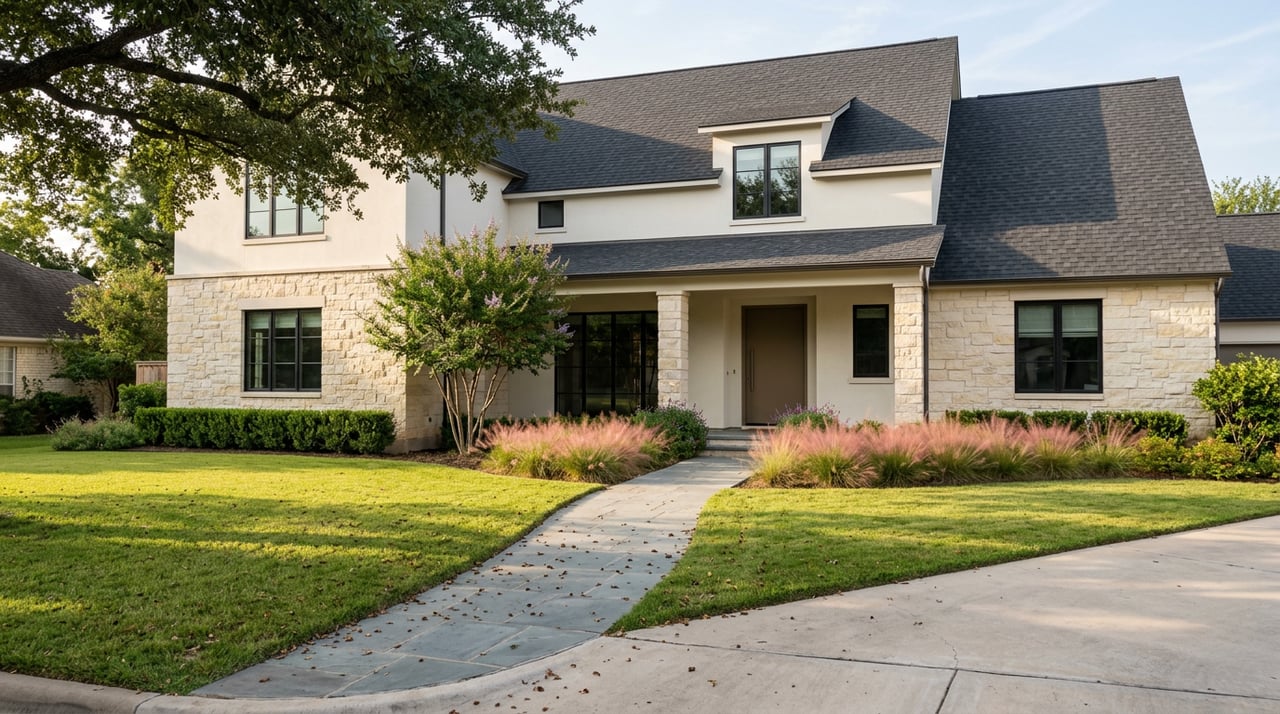
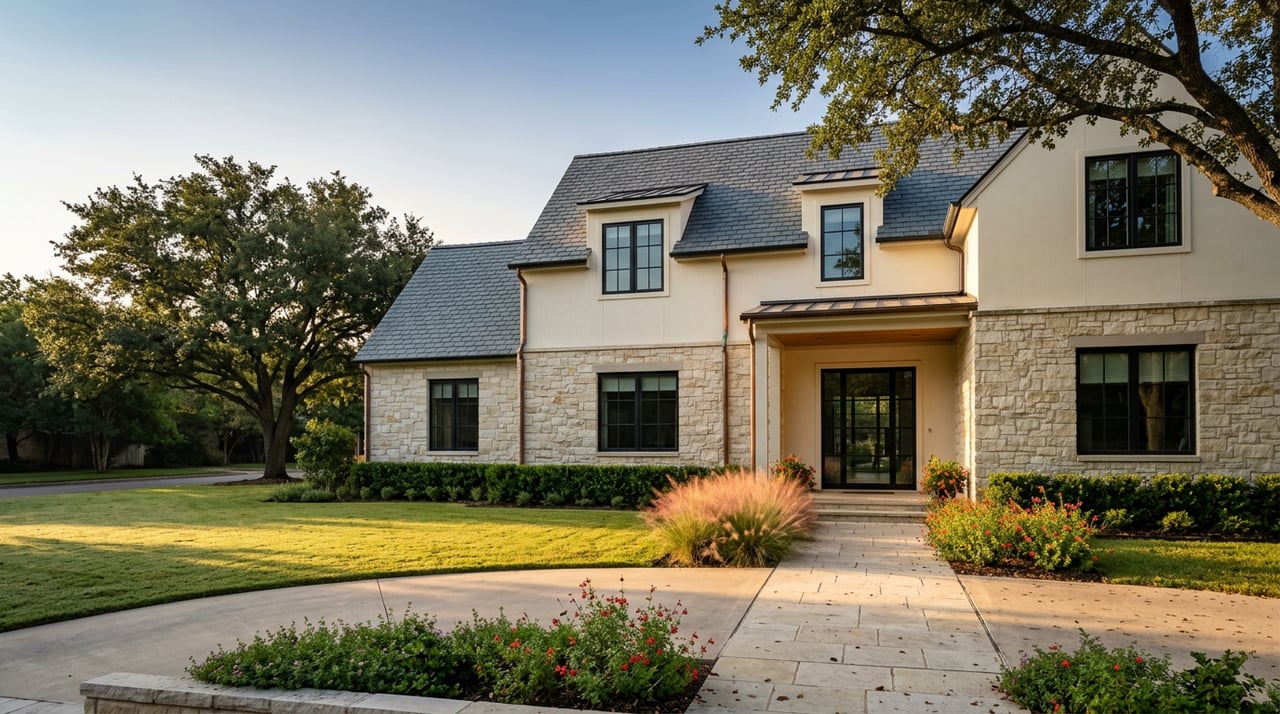
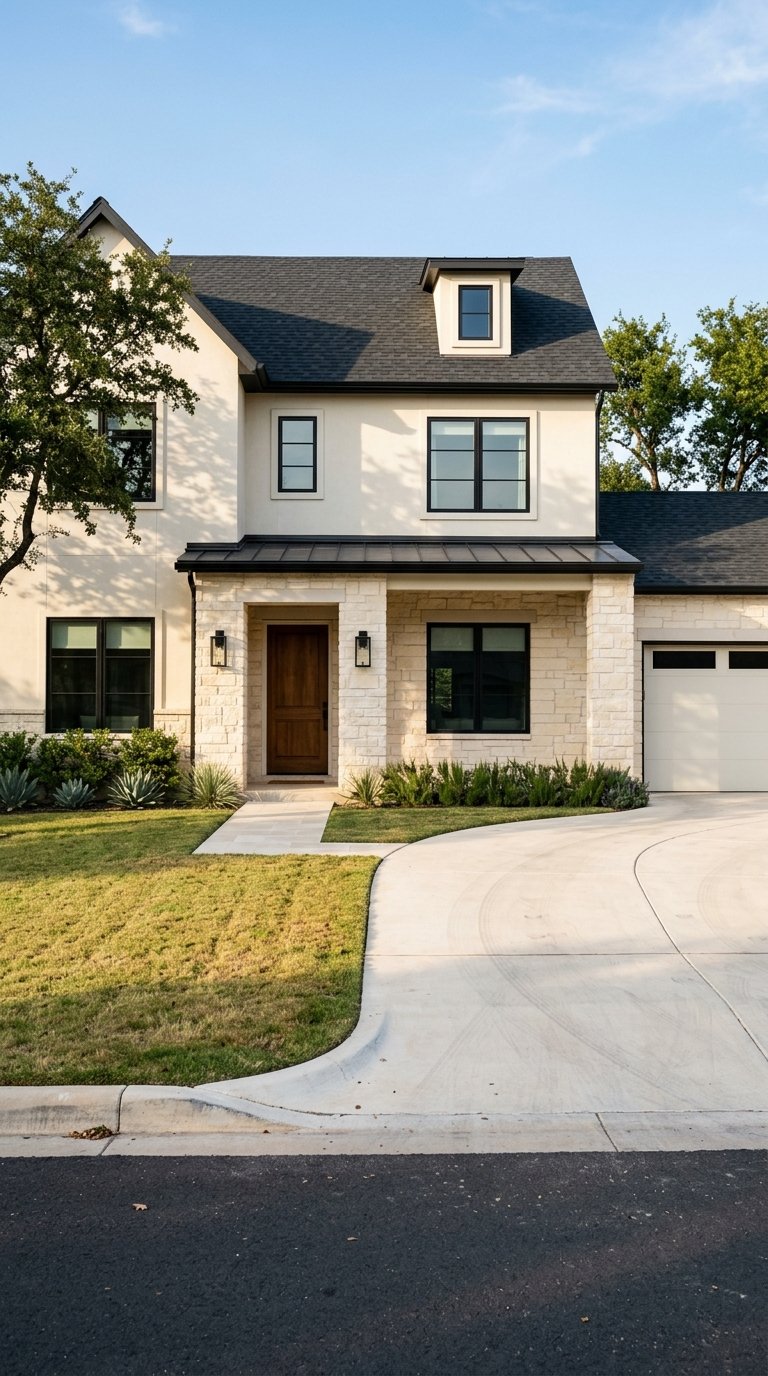
You will often find traditional one-story or masonry homes with stone or stucco exteriors in these sections. For you as a buyer, that usually means more variety from house to house, including differences in finishes, updates, roof age, systems, and ongoing maintenance needs.
Some areas also show a wider spread in build dates than buyers expect. In The Heights at Stone Oak, recorded subdivision plats span from 1999 through 2014, so even homes in the same branded area may have very different construction timelines and condition profiles.
Stone Oak’s original layout was shaped in part by golf-course access and a country-club framework. That influence is still visible in some of the area’s home options today.
The earliest golf-frontage subdivisions became Sonterra communities such as The Gardens, The Greensview, The Midlands, The Fairways, and The Woods. The Club at Sonterra includes two 18-hole championship courses, with the North Course built in 1985 and the South Course in 1954.
For buyers, golf-adjacent living can mean a different mix of setting, access, and neighborhood identity. In some cases, like The Seventh at Sonterra, it may also include a townhome-style layout with amenities such as a community pool, clubhouse, cabana access, and a private golf-cart path.
If you want more privacy, larger homesites, or a more estate-style setting, Stone Oak has pockets built around that experience. These sections tend to feel different from standard resale neighborhoods, both in layout and in monthly ownership expectations.
Champions Ridge is one example. According to its HOA, the community includes a guard house staffed 24 hours daily, along with maintained streets, a tennis court, sport court, pavilion, landscaped common areas, and a 31-acre nature preserve. It contains 148 estate homesites and 62 villa homesites.
Waterford Heights is another gated community in the Stone Oak area. It states that homesites range from 1 to 1.5 acres and that residents have access to two gated entrances, a 22-acre greenbelt, pool, playground, recreation center, and sports amenities.
For you, the tradeoff is usually straightforward. You may get more space, privacy, or a distinct neighborhood feel, but you should also expect a more detailed review of dues, maintenance responsibilities, and rules before making an offer.
Stone Oak also includes garden-home product types that may appeal to buyers who want simpler upkeep. Current area listings in the Heights at Stone Oak and Reflections sections identify some homes as garden homes, and listing remarks note features like year-round front yard maintenance.
These pockets are often the best fit for buyers who want a lower-maintenance lifestyle or a lock-and-leave setup. Still, the exact services covered depend on the specific HOA, so it is important not to assume that every garden-home section works the same way.
When buyers compare homes in Stone Oak, price per square foot tells only part of the story. Your real ownership cost may also be shaped by construction age, lot size, HOA structure, and the neighborhood’s amenity load.
Stone Oak homeowners inside the master-planned boundary pay assessments to the Stone Oak POA as well as to their neighborhood HOA. The Stone Oak POA currently states that the residential lot assessment is $116 annually, billed in January.
That does not mean all Stone Oak ownership costs are the same. Since each residential community has its own HOA, you need to compare the exact subdivision and what that particular association covers.
Stone Oak’s master POA says it maintains common areas outside the neighborhoods and oversees 11 miles of landscaped medians, along with architectural standards, landscaping, and beautification projects. But your day-to-day experience usually depends even more on the neighborhood HOA.
That is where the differences can be significant. One section may focus mostly on common-area upkeep, while another may include gated access, a pool, sports courts, green spaces, or other shared amenities.
Promontory Pointe is a good example of that variation. Its HOA includes landscaped medians and perimeter walls, a large pool and children’s pool, pavilion, sport court, park, and green areas, and the neighborhood includes both gated and non-gated sections.
For buyers, this means you should compare HOA value, not just HOA price. A section with broader maintenance or security features may justify a different monthly cost than a simpler neighborhood with fewer shared facilities.
Not every part of Stone Oak is at the same stage of development. Bexar County Appraisal District’s 2025 to 2026 reappraisal plan places Stone Oak neighborhoods in both Stability and Growth - New Construction categories.
That is helpful because it confirms what many buyers notice during their search. Some pockets feel fully established and resale-driven, while others still show newer build activity.
If you are deciding between an older home and a newer one, think about your comfort level with updates, maintenance timing, and lot character. Established areas may offer mature streetscapes and more resale variety, while newer pockets may reduce immediate renovation needs.
Stone Oak gives you options, but too many options can make the search harder. A few focused questions can help you narrow quickly and compare homes more intelligently.
The Stone Oak name covers many communities. You need the precise subdivision to understand the home style, HOA structure, and neighborhood features tied to that address.
Build date affects more than style. It can influence condition, finish level, likely maintenance timing, and how much variation you will see from one home to the next.
Because Stone Oak includes both the master POA and individual neighborhood HOAs, you should confirm exactly what your dues pay for. Services and amenities are not uniform across the area.
Before you tour, decide what matters most. You may prefer golf access, larger lots, gated entry, lower-maintenance living, or a more established resale setting.
That clarity can save you time and make your decisions easier. It can also help you avoid falling for a home that looks right online but does not fit the ownership experience you actually want.
The best way to buy in Stone Oak is to treat it like a collection of distinct submarkets, not one single neighborhood. When you compare homes by subdivision, age, upkeep needs, and amenity package, the choices start to make more sense.
If you are relocating, moving up, or simply trying to balance lifestyle with budget, this approach can reduce stress and help you focus on the right sections first. It also gives you a clearer picture of what you are paying for beyond the home itself.
A thoughtful buying plan matters in an area with this much variety. If you want help narrowing the right Stone Oak fit for your goals, Missy Stagers can guide you through the process with clear steps, strong local insight, and a less stressful path forward.
Our mission is to provide an experience that stands above the industry standard and challenges the status quo of the basic real estate agent. We want you to trust us as valuable real estate advisors, worthy of handling one of your largest purchases, sales or investments.