Discovering Castroville: Small‑Town Living Near San Antonio
Thinking about living near San Antonio without feeling like you are in the middle of constant growth and traffic? Castroville offers a different pace, a deeper sense of place, and a setting shaped by history in a way many nearby communities simply are not. If you are looking for a small-town lifestyle with practical access to San Antonio, this guide will help you understand what makes Castroville stand out and what you can realistically expect if you move there. Let’s dive in.
Castroville is not just a town west of San Antonio. It was founded in 1844 by Henri Castro and settlers from the French region of Alsace, and that heritage still shows up in the town’s architecture, food traditions, and downtown character.
The city describes Castroville as a place where Alsatian history remains part of daily life, and the Texas Historical Commission refers to it as “The Little Alsace of Texas.” That identity gives the town a strong sense of continuity, which is a big part of its appeal for buyers who want more than a standard suburban setting.
One of the biggest reasons Castroville stands out is its built environment. The Advisory Council on Historic Preservation says the town has nearly 100 historic structures, and local preservation is an active civic priority rather than just a marketing theme.
That means when you walk or drive through parts of Castroville, you are seeing a community that has worked to protect its architectural story. The city’s preservation rules and design guidelines reinforce that commitment, which helps maintain the town’s distinct look and feel over time.
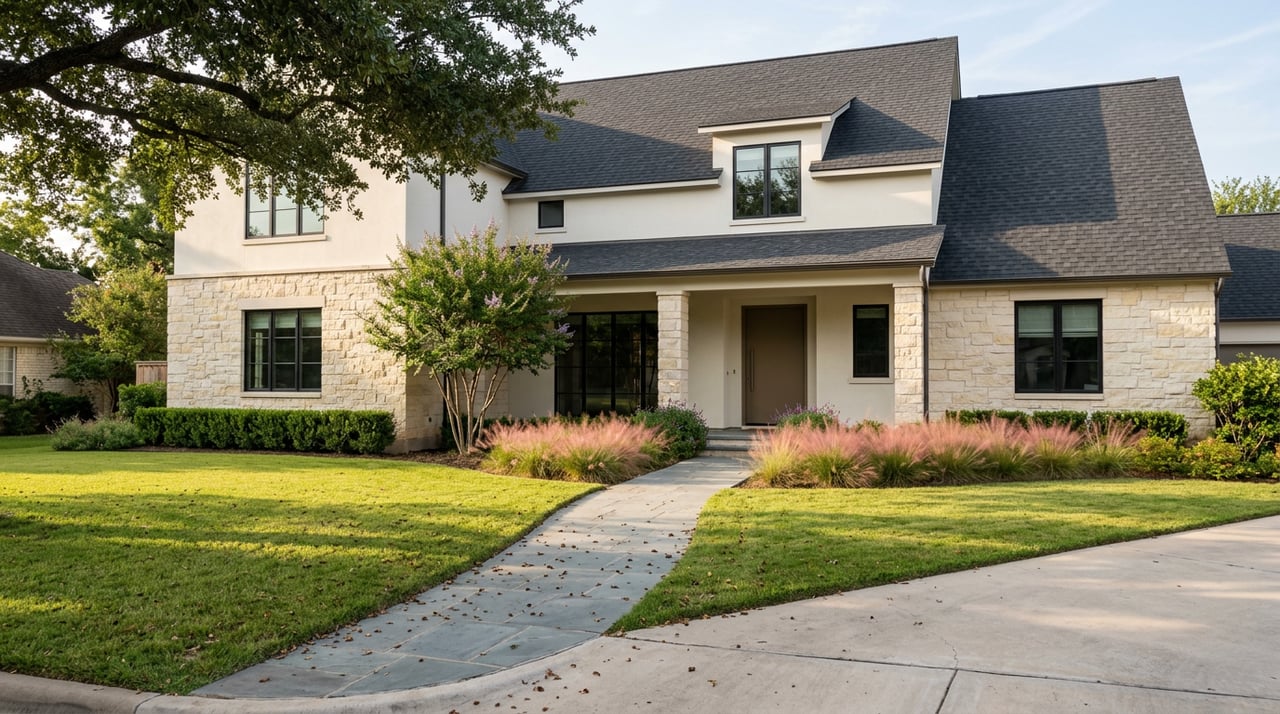
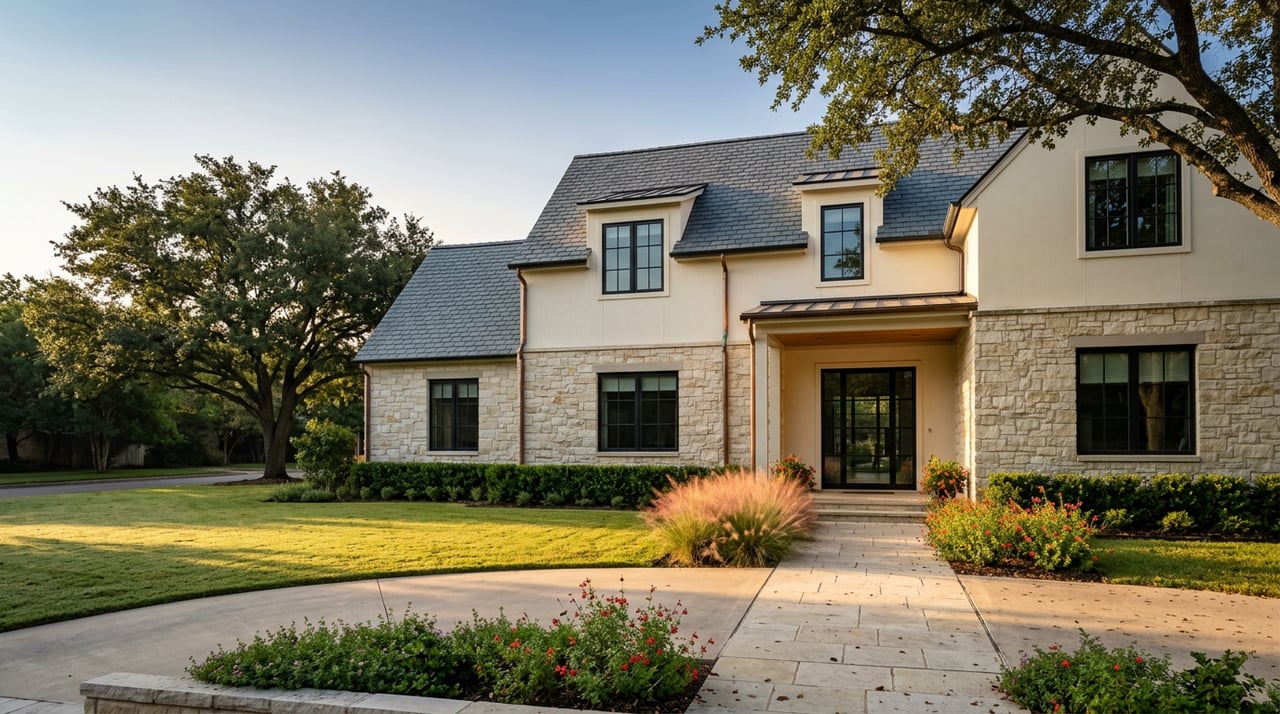
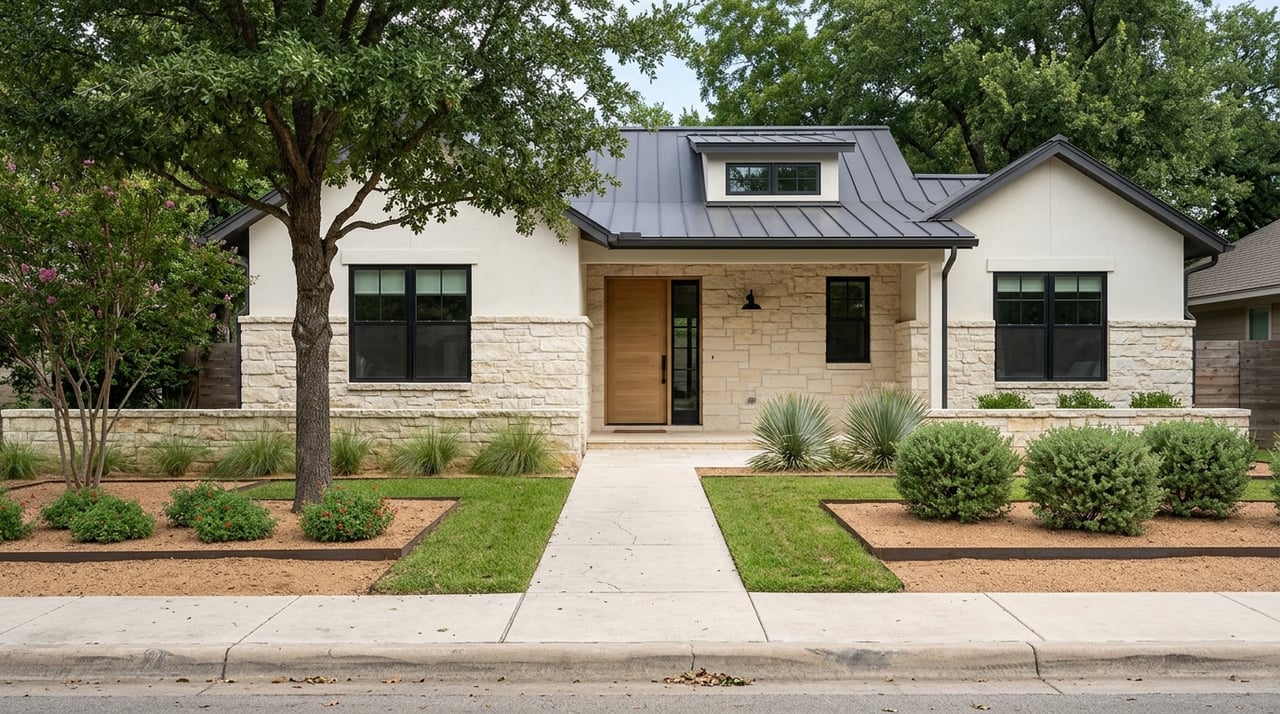
Historic homes are part of Castroville’s identity. City materials for the historic walking tour and design guidelines describe early homes built with limestone, lime plaster, or stucco, often whitewashed, which gives parts of town a recognizable architectural style.
For you as a buyer, that can mean more visual variety and more character than you might find in a newer subdivision-only market. Instead of one dominant look, Castroville offers a mix of historic residences, older village-scale homes, and newer single-family properties.
In some towns, history is something you visit once in a museum. In Castroville, it is woven into the community itself through preserved structures, local events, walking tours, and landmarks like Landmark Inn on the Medina River.
Landmark Inn offers public tours, living-history programs, and special events that help connect residents and visitors to the town’s past. That ongoing engagement gives Castroville a lived-in authenticity that many buyers find appealing.
If you need access to San Antonio but want a quieter home base, Castroville offers a practical middle ground. The Texas Historical Commission places the town about 25 miles west of San Antonio, or roughly 25 minutes away by car.
That distance can make Castroville a strong option if you commute, need regular access to city amenities, or simply want to stay connected to the larger metro area. You get room to breathe without feeling completely removed from jobs, shopping, dining, and services in San Antonio.
Castroville’s scale is part of the lifestyle shift. The 2020 census counted 2,954 residents, and the Advisory Council on Historic Preservation also describes it as a community of fewer than 3,000 people.
In practical terms, that supports the idea of a smaller, more familiar setting. If you are coming from San Antonio or another busier area, Castroville may feel calmer, more personal, and less hurried in your day-to-day routine.
Small-town living works best when there is still enough going on to keep life enjoyable. Castroville has a strong local event calendar that adds energy throughout the year and helps residents stay connected to the community.
According to the Castroville Area Chamber of Commerce, events include Beer & Wine Fest, Old Fashion Christmas, the Old Fashioned 4th Parade, Tour de Castroville, Alsatian Festival of Texas, National Night Out, and Boo Bash. These recurring events give the town a rhythm that goes beyond simply being a place to sleep between workdays.
Old Fashion Christmas is especially notable, with the Chamber describing it as a first-weekend-in-December arts-and-crafts fair with more than 250 booths. That kind of event activity can make a small town feel lively and rooted at the same time.
The town also has a long history of celebrating its heritage. The Advisory Council on Historic Preservation notes that Castroville has celebrated through St. Louis Day festivities for more than 100 years, which speaks to the continuity of local traditions.
Castroville’s downtown is part of what makes the community memorable. The city highlights historic homes, traditional cuisine, shops, and heritage tourism as defining features of the area.
For you, that can translate into a town center that feels specific to Castroville rather than interchangeable with any other suburb. If that sense of identity matters in your home search, it is worth paying attention to.
If you are considering a move, it helps to understand the local housing picture before you start touring homes. Castroville is primarily a single-family community, but it is not limited to one type of home or one era of development.
The 2020 census reported 1,227 housing units and 1,111 households. It also showed that 71.2% of occupied units were owner-occupied and 28.8% were renter-occupied, which points to a market with a strong ownership base.
City zoning documents state that the R-A single-family dwelling district makes up the preponderant portion of existing housing development. The city’s master plan also identified single-family residential as the largest land-use category.
So if you are searching in Castroville, you should generally expect a market centered on detached homes. That includes both established residences in older parts of town and newer single-family options.
Castroville is not uniform block to block. The zoning ordinance also notes that the R-C district allows a mix of single-family, two-family, and multifamily dwellings near commercial and industrial areas.
The city’s planning documents further reference infill lots inside the city and large-acreage homes in the ETJ. That means your options may range from historic in-town homes to more spacious properties depending on where you focus your search.
If you are drawn to homes with story and craftsmanship, Castroville may deserve a closer look. Historic houses, limestone construction, and older architectural details are part of the local inventory, which gives certain homes a level of character that is hard to replicate.
At the same time, historic properties can call for a more careful buying process because features, materials, and preservation considerations may differ from newer homes. This is where a clear, step-by-step approach matters so you understand what you are buying and how it fits your goals.
Castroville can be a great fit if you want to stay connected to San Antonio while choosing a smaller and more historic setting. It may especially appeal to buyers who value character, community traditions, and a less hurried daily pace.
You may also appreciate Castroville if you want a home search that includes more than standard suburban subdivisions. The mix of preserved homes, established neighborhoods, and single-family growth gives you more variety than you might expect from a town of this size.
Every move involves tradeoffs, and Castroville is no exception. The biggest one is simple: you are choosing a preservation-centered small-town environment instead of the convenience and scale of living in the middle of San Antonio.
For many buyers, that tradeoff is exactly the point. If you want a town with its own identity, recurring local events, and a housing landscape shaped by both history and single-family growth, Castroville offers something meaningful and distinct.
A move to Castroville is not only about finding a house. It is about understanding which part of town fits your lifestyle, how housing types differ, and what kind of day-to-day experience you actually want.
That is where a process-driven real estate team can make a real difference. When you have clear guidance, strong communication, and a practical roadmap, it becomes easier to weigh character, commute, and long-term fit with confidence.
If you are exploring homes in Castroville or comparing it with other communities near San Antonio, Missy Stagers can help you take the next step with clarity and confidence.
Our mission is to provide an experience that stands above the industry standard and challenges the status quo of the basic real estate agent. We want you to trust us as valuable real estate advisors, worthy of handling one of your largest purchases, sales or investments.